How a Synthetic Roofer Assesses Weather-Related Roof Covering Threats
Weather does not harm every roofing the same way. 2 homes can remain on the exact same road, take the very same tornado, and come away with extremely different outcomes. That difference typically comes down to design, installation quality, water drainage, direct exposure, and material selection. A skilled synthetic professional roofer learns to read those variables promptly, due to the fact that weather danger is seldom nearly what took place last evening. It is likewise about what has actually been constructing for years.
That is specifically true with synthetic roofings. Homeowners commonly pick them for longevity, appearance, and lower maintenance compared to natural slate or cedar. Those are genuine benefits, however no roof covering material is unsusceptible to bad presumptions. A steep roof covering with superb blinking details and a well-installed artificial system can manage serious climate far better than a premium product laid over poor outdoor decking or paired with weak attic room ventilation. A roof is a system, not simply a shingle.
In locations with broad seasonal swings, that distinction issues even more. An artificial roofer Chicagoland house owners count on has to think over one's head kind of storm. In the exact same year, a roof covering may deal with driving rain, hailstorm, quick freeze-thaw cycles, ponding at low-slope transitions, ice damming at the eaves, and summer season warmth that tests growth and air flow. Examining weather-related roofing system dangers means examining exactly how the whole assembly executes under duplicated stress and anxiety, not merely searching for evident missing pieces.
Why artificial roof changes the examination mindset
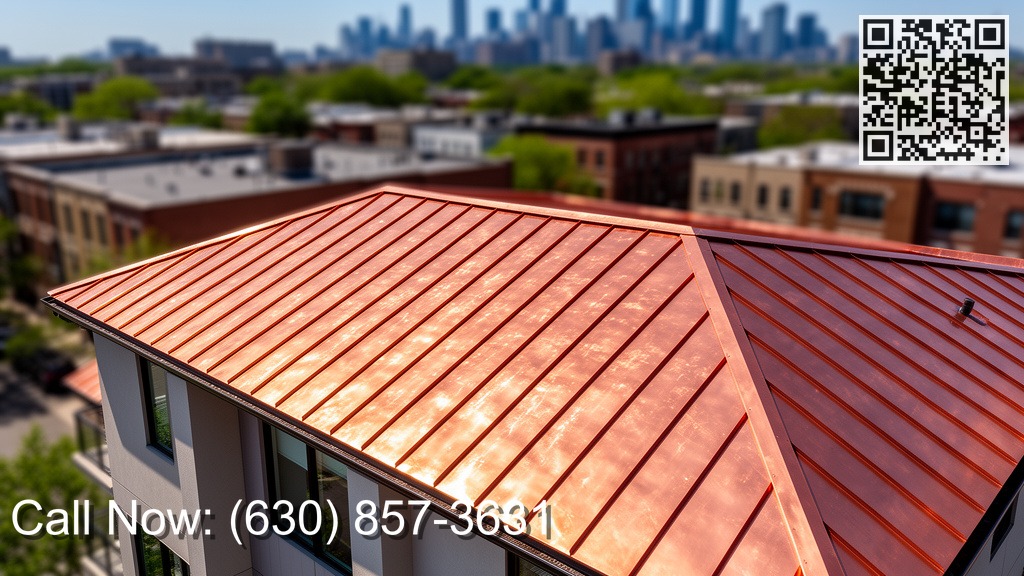
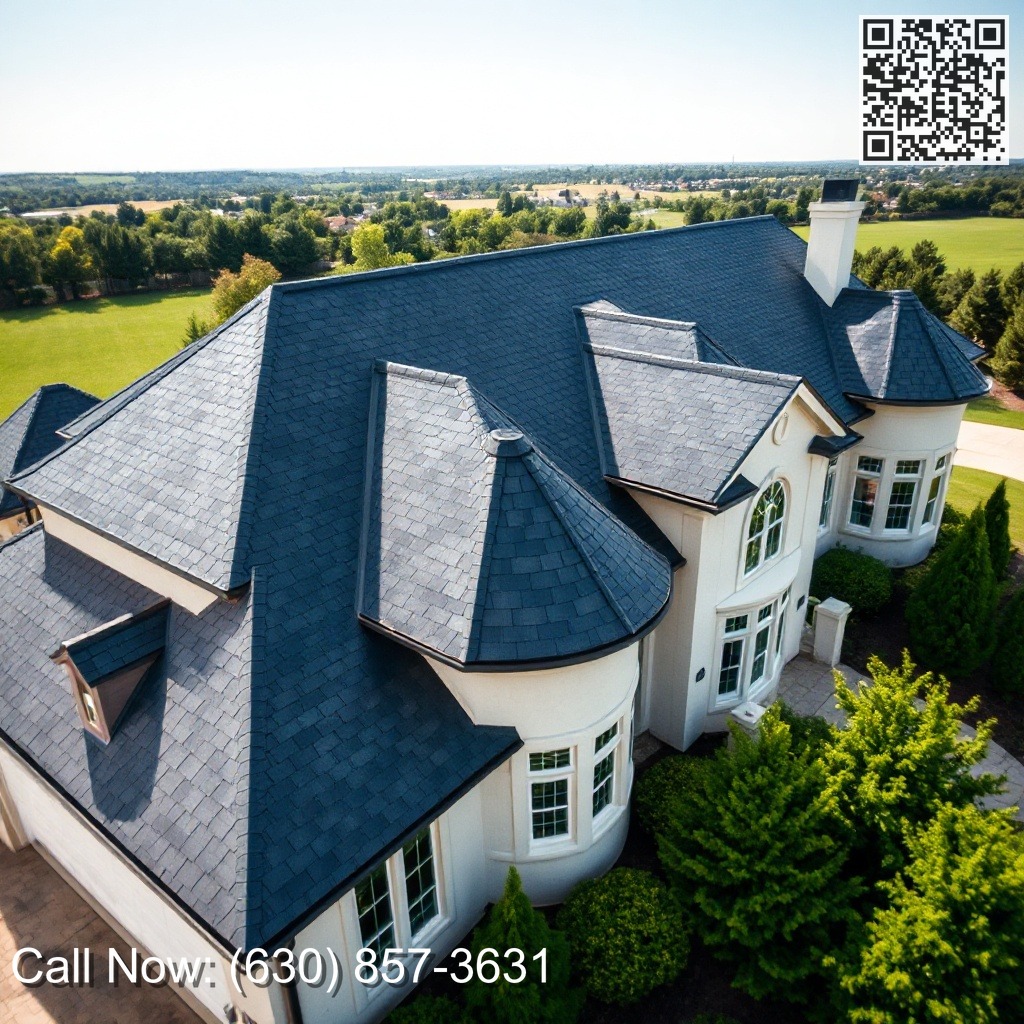
Architectural synthetic roof covering is frequently picked since it mimics slate, shake, or ceramic tile while decreasing dead lots on the framework. That lighter weight can be a significant benefit, specifically throughout an artificial roofing system replacement on an older home where structural alterations would certainly be expensive. However lighter weight also alters how wind, securing patterns, and edge detailing must be assessed.
A professional examining natural slate looks for cracked stone, slipped items, falling short copper, and load-related sagging. A service provider inspecting synthetic roof covering roof shingles looks at those exact same essential changes, but also pays attention to how the material bends, exactly how it was attached, whether it has actually begun to curl or lift at the leading side, and just how repetitive thermal motion may be influencing penetrations and flashings.
Premium artificial roofing products have a tendency to do well when set up to spec, yet the expression "to spec" lugs a great deal of weight. Producer information for starter courses, ridge air vent combination, valley treatment, bolt positioning, and underlayment compatibility are not small print. They are the difference between a roofing that brushes off a hard weather condition period and one that starts dripping in subtle, expensive ways.
The initial thing an experienced specialist research studies is exposure
Before climbing a ladder, a good inspector spends a couple of mins on the ground. Direct exposure tells a story. A house on an open lot without any tree canopy will take a lot more straight wind and UV direct exposure than a house protected by bordering frameworks. A home at the end of a lengthy fetch, such as the side of a subdivision support to open pasture, typically sees greater gust stress at edges and ridges. In the Chicago area, that matters. Wind does not need to get to headline-grabbing rates to examine a roof covering's weakest details.
Orientation matters also. South- and west-facing inclines normally age much faster due to the fact that they take much more straight sun and harsher mid-day warmth. North-facing slopes may hold moisture longer, which can urge algae growth, freeze-thaw stress and anxiety, and persistent moisture around particles pockets. When an artificial roofing business evaluates risk, those slope-by-slope differences assist anticipate where failing is most likely to show up first.
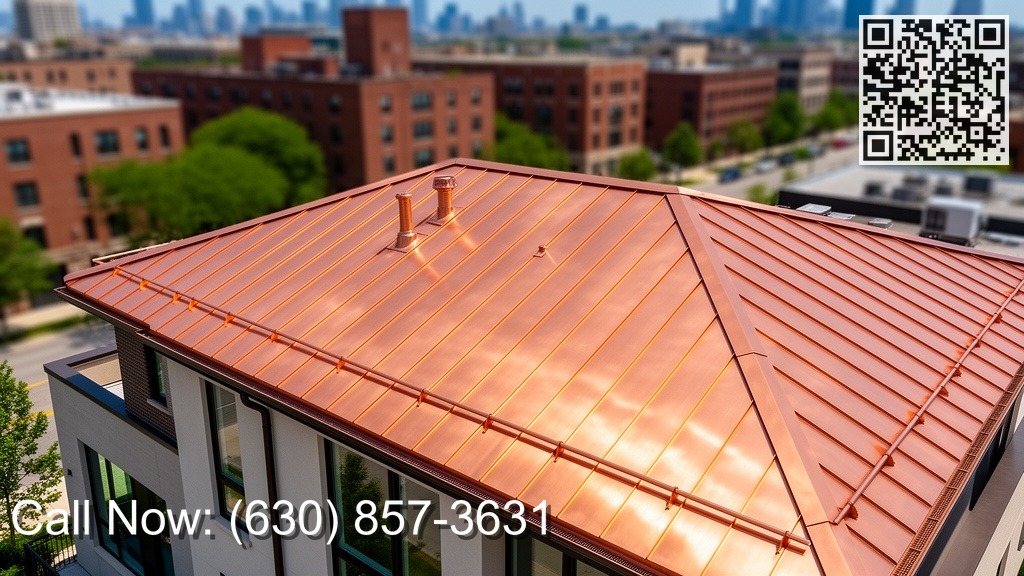
The roofline additionally forms direct exposure. Dormers, intersecting gables, dead valleys, long rakes, and multi-level shifts all produce turbulence and water drainage concentration. Artificial roof for deluxe homes commonly includes complex geometry, and complexity elevates both visual value and weather risk. The more elaborate the layout, the more important the information become.
Hail is rarely a basic yes-or-no diagnosis
Homeowners generally inquire about hailstorm first, specifically after a tornado. Naturally so. Hail damages sounds straightforward, however it often is not. On synthetic roofing systems, impact feedback relies on the product formula, the dimension and density of the hail storm, roofing incline, ambient temperature, and whether the roof covering already had underlying vulnerabilities.
Some impacts leave apparent visual marks, such as scuffs, crushed sides, punctures, or broken tabs. Others create much less dramatic indicators, like slight deformation around bolts, anxiety lightening, or wounding that appears just when seen at an angle or dealt with thoroughly by an experienced synthetic roofing contractor. The obstacle is dividing cosmetic wear from functional damage.
That judgment call matters since substitute decisions carry real expense. A service provider with integrity does not call every imperfection storm damages, and a cautious house owner must be wary of anyone that does. On the other hand, subtle impact damages around hips, ridges, and exposed area locations can endanger water dropping long before a leakage appears inside. I have actually seen roofs that looked appropriate from the driveway, yet showed duplicated micro-fracturing in high-exposure areas as soon as checked up close. Those roofings usually fall short during the following significant tornado, not the one that first harmed them.
In synthetic roof Chicago projects, hail storm analysis typically overlaps with age and setup history. A newer roof with sound decking and appropriate underlayment might endure moderate hail storm very well. An older roof covering, especially one with limited fastening or brittle device components, can endure disproportionate damage from the very same event.
Wind damages beginnings at the sides and moves inward
Wind does not strike a roof covering equally. It works with edges, eaves, ridges, and rake sides first. Negative stress lifts where resistance is weakest, after that duplicated gusting broadens that weak point. On synthetic roofing system setup tasks, edge securement and starter alignment are a few of one of the most vital consider long-lasting storm resilience.
During assessment, a contractor tries to find small clues: a somewhat elevated leading edge, sealant failure where it should be bonded, fasteners positioned too high, ridge caps with minor variation, or revealed underlayment at vulnerable transitions. These are the type of problems home owners practically never ever discover from the ground, yet they are exactly what develop into blown-off areas throughout the following wind event.
This is one factor artificial roof covering installers that understand local weather condition patterns have a tendency to outmatch crews that simply know how to make a roof appearance ended up. In Chicagoland, wind-driven rain is frequently as essential as wind uplift. If an information permits capillary entrance or backflow under stress, the roofing can leakage also without shedding visible pieces.
A professional additionally looks at what is taking place around the roof covering. Loose seamless gutters, displaced fascia wrap, curved drip side, and movement at smokeshaft blinking can all indicate that wind has actually currently begun to exploit powerlessness. Roofing system danger is rarely separated to the field product alone.
Freeze-thaw damages is just one of one of the most underrated threats
Homeowners frequently visualize weather damages as significant and abrupt. In reality, numerous roof covering failings are slow-moving. Freeze-thaw cycles are an excellent instance. Water goes into a tiny space, sits, ices up, expands, defrosts, then repeats the procedure dozens of times via a winter season. Each cycle expands the opening, loosens up fasteners, or emphasizes surrounding components.
Synthetic roof normally handle moisture far better than lots of conventional materials, however they are still prone where water lingers. Valleys, sidewall transitions, roof-to-wall crossways, skylight visuals, pipes vents, and smokeshaft saddles are common difficulty locations. If debris reduces water drainage or flashing was not integrated cleanly at installment, wintertime will locate the mistake.
In artificial roof Naperville IL inspections, ice dam threat is a routine topic due to the fact that the area sees enough snow and enough temperature change to make edge protection critical. A service provider does not just look for the visibility of ice guard. The assessment goes better. Exactly how far up the slope does it run? Was it installed continually at prone transitions? Is attic room warm loss contributing to melt-and-refreeze patterns? Are consumption and exhaust air flow stabilized? Those questions issue because ice dams are not brought on by roofing product alone.
I once checked out a high-end home with premium artificial roof that had developed staining along two upstairs bed room wall surfaces. The shingles themselves were still healthy. The actual trouble was a combination of inadequate attic room air sealing, irregular insulation, and a valley detail that caught slushy snow longer than it should have. The visible symptom showed up inside, yet the root cause was a system problem between warmth movement, dampness, and drainage.
Drainage informs you more than the tile surface
A roofing can have appealing artificial roof roof shingles and still be high threat if drain is poor. Water holds your horses. It does not require a significant opening. It only needs repetition and time.
That is why an experienced artificial roof company invests major attention on water courses. Valleys ought to move water cleanly without capturing fallen leaves or overconcentrating runoff versus delicate shifts. Cricket building behind chimneys ought to stop standing water and drifting snow buildup. Gutters should have adequate capability and proper pitch. Downspouts ought to discharge efficiently so winter season back-up does not develop ice at the roofing edge.
Drainage problems usually show up initially as staining, granule-like debris from adjacent products, mildew near soffits, or repeated overflow marks on exterior siding. On multi-level roofing system designs, upper sections can unload remarkable water quantity onto lower ornamental locations. This is common in synthetic roof covering for luxury homes where visual roofing intricacy can inadvertently produce concentrated wear areas. A contractor evaluating weather condition threat needs to think hydraulically, not simply cosmetically.
Attic conditions typically confirm what the outside suggests
Exterior inspection can recognize most likely failure points, but attic room conditions frequently verify the diagnosis. A specialist assessing weather-related roof covering threats will try to find dark sheathing, rusted nail suggestions, mold-like development, pressed insulation near eaves, frost residue, or indicators of recurring wetness around penetrations. These indications help divide a single occasion from a persistent issue.
Poor ventilation remains among the most significant surprise liabilities in property artificial roofing. Inadequate consumption can deprive ridge exhaust. Way too much exhaust without balanced consumption can draw conditioned air from the living space. In any case, the roof covering deck experiences temperature level and moisture swings that increase wintertime condensation and speed up summertime warmth stress.
This is where experience matters. Home owners typically presume that if a roof does not leak, it is fine. But roofings can mature from the inside out. A synthetic roofing replacement may end up being required not since the field product stopped working early, however since entraped warmth and dampness broke down the substrate, underlayment, and fastener holding power over time.
Material compatibility is an actual weather-risk factor
Not all artificial roof equal. Item design, accessory schedule, examined settings up, and accepted underlayments vary. A service provider evaluating threat requires to understand what particular item gets on the roofing and whether the original setup matched its requirements.
This seems technological, yet it has sensible effects. If a synthetic shake profile was installed with a generic ridge information rather than the manufacturer-recommended vented setting up, wind-driven rain efficiency might be reduced. If flashing metals were picked without considering local deterioration exposure or motion, thermal biking can open joints. If bolts were as well short for the deck problem, uplift resistance might never ever have actually been adequate.
Architectural artificial roof usually succeeds because it combines aesthetic allure with design advantages. But engineered systems just work when their parts are treated as interdependent. That is one factor a certified synthetic professional roofer will typically ask even more inquiries than a general roofing professional. The goal is not to complicate the work. The objective is to stay clear of positive guesses.
Age matters, however age alone is a bad predictor
Homeowners commonly ask the number of years a synthetic roof "must" last. It is a fair question, but weather condition danger does not comply with a neat calendar. I have actually seen relatively young roof coverings with preventable installment defects age badly in under a years, and older roof coverings continue to be serviceable because they were installed carefully, aerated properly, and preserved consistently.
A better method to think of age is as one element amongst a number of. The better concerns are these: How many significant weather occasions has the roofing system experienced? Has it seen duplicated freeze-thaw stress and anxiety? Was upkeep done without delay after minor damages? Are susceptible shifts original, patched, or previously modified? Has close-by tree development changed color and particles patterns over time?
When artificial roofing system installers assess replacement versus repair, they weigh current condition, predicted weather exposure, and price effectiveness. A local repair work can be the ideal answer if the roof is fundamentally sound. But if several details are approaching failing at once, an artificial roof covering replacement may be more prudent than chasing after leaks area by section.
Regional judgment issues in Chicagoland
There is a reason local experience appears so commonly in contractor option. Artificial roofing Chicago and rural markets provide a special mix of environment pressure, code expectations, building selection, and house owner concerns. A service provider functioning frequently in Naperville, the western residential areas, and the city will certainly notice patterns that an out-of-area staff may miss.
For instance, older homes may have split alterations, hidden deck repair work, or air flow compromises from earlier remodellings. More recent customized homes might make use of complex rooflines and superior materials however still experience drainage focus if looks were focused on over runoff administration. Lake-influenced wind patterns, hefty wet snow occasions, springtime hail storm, and abrupt temperature level swings all influence assessment judgment.
That neighborhood pattern acknowledgment is one reason lots of property owners look especially for an artificial roofing contractor Chicagoland based instead of simply looking for a broad nationwide supplier. Environment knowledge is not marketing language. It alters actual decisions about underlayments, blinking techniques, ventilation approaches, and repair work urgency.
What a liable threat assessment sounds like
A reliable professional hardly ever chats in absolutes. Instead, the conversation typically appears measured. This slope is much more vulnerable than that a person. These ridge details need to be monitored after the following wintertime. The hail storm marks here show up cosmetic, yet this valley blinking is a much more immediate problem. The roof covering might have 5 good years left if drain is fixed, or a lot less if the attic room moisture problem stays unresolved.
That kind of nuanced solution can feel much less rewarding than a fast decision, but it is better. Roofs stop working through mixes of stress and anxiety. Climate reveals weak points, yet a lot of those weak points were produced long before the tornado arrived.
A mindful synthetic roof covering company documents conditions extensively, describes what is currently damaged, what is likely to become a trouble, and what can reasonably wait. The most effective suggestions are focused on, not inflated. House owners do not need alarm. They require clarity.
The value of proactive inspections
One of the most practical lessons in roofing is that small defects are most affordable when they are still uninteresting. A raised side, a small blinking splitting up, blocked water drainage, or very early attic condensation might not really feel immediate. After one negative season, each can come to be expensive.
For homes with synthetic roof coverings, especially custom or high-value residential or commercial properties, regular examination belongs to protecting the investment. That does not imply consistent treatment. It suggests having a knowledgeable artificial roofer review the roof after major hail storm or wind occasions, https://gunnerizki217.laurelcurrent.com/posts/artificial-roofing-systems-designed-for-midwest-freeze-thaw-cycles and additionally at reasonable periods as the roofing ages.
Residential synthetic roof covering is a strong choice for home owners who want performance and appearance without the weight and upkeep needs of some conventional products. Yet the material alone is not the tale. Weather-related roofing danger is shaped by direct exposure, style, installment quality, ventilation, drain, and upkeep action. A professional who understands those links can often find tomorrow's trouble while it is still workable today.
That is the real worth of a specialist evaluation. It is not just about recognizing damage. It has to do with comprehending exactly how weather condition will connect with this certain roof, on this details house, in this certain climate, and making sound choices before the following storm tests every assumption.
When Quality Matters
Salvo Architectural Roofing Contractors
566 West 5th Ave Naperville, IL 60563
(630) 857-3631
 Ask ChatGPT
 Ask Grok
 Ask Perplexity
 Ask Claude
 Ask Google AI
 Ask You