Just How Architectural Synthetic Roof Withstands Freeze-Thaw Damage in Midwest Houses
Anyone that has owned a home in the Midwest enough time has seen what wintertime does to constructing products. A roof can look fine in October, after that by March it is revealing slipped pieces, broken sides, loose flashing, or indicators of moisture where it need to be bone completely dry. The damages hardly ever originates from one dramatic snowstorm. Regularly, it comes from repetition. Water enters into a small opening, temperatures drop overnight, that water freezes and broadens, after that daytime sunlight starts the cycle once more. By the end of the season, the roof has actually been worried loads of times.
That freeze-thaw cycle is especially hard on standard roofing materials with natural pores, weak edges, or inconsistent securing areas. It is one reason much more homeowners are inquiring about architectural synthetic roof when they intend a remodel or an artificial roof covering replacement. In places like Chicago, Naperville, and the broader Chicagoland suburbs, that passion is not just about looks. It has to do with sturdiness in a climate that penalizes weak spots.
Architectural synthetic roof has made interest because it deals with the precise conditions that create wintertime roof covering failures. It can imitate slate, shake, or various other high-end accounts, however the genuine tale is what takes place listed below the surface. The material make-up, fastening design, effect resistance, and reduced water absorption all help these roofings withstand freeze-thaw stress and anxiety in a manner lots of property owners do not anticipate until they see the distinction over several winters.
Why freeze-thaw is so damaging on Midwest roofs
Freeze-thaw damage begins with wetness, yet the real perpetrator is movement. Water increases by about 9 percent when it freezes. That development issues when water has actually functioned its method right into a hairline fracture, a joint, a nail penetration, or the exposed end grain of a roof covering item. As ice kinds, it expands the opening. When temperatures climb up over cold, the ice thaws and water can travel even further right into the material. Then the following cold snap repeats the process.
Midwest weather creates the ideal setting for this. In numerous components of Illinois and the surrounding area, winter season temperatures can swing from single numbers to the high 30s or reduced 40s within a day or two. South-facing roofing inclines take straight winter months sunlight, which accelerates daytime thawing also while shaded areas stay frozen. Include wind-driven snow, over night refreezing at the eaves, and periodic ice damming, and you have conditions that test every component of the roofing system.
The damage does not constantly turn up where property owners anticipate. People often seek a missing out on tile after a tornado, however freeze-thaw damage tends to be subtler initially. It may appear as broken edges, raised edges, a ridge cap that no longer lies flat, or small pathways for water around flashings and penetrations. By the time a leakage gets to a ceiling tarnish, the roof has frequently been falling short silently for a while.
What makes building artificial roof different
The term "artificial roofs" covers a broad classification, so it aids to be certain. Architectural synthetic roofing typically describes crafted roofing products designed to duplicate the appearance of slate, cedar shake, or various other dimensional materials while improving performance. These are not flimsy plastic panels. Costs artificial roof products are generally made from innovative polymer blends, recycled composite materials, or exclusive material formulas designed for durability, adaptability, and weather condition resistance.
That difference issues in winter. All-natural materials have beauty, yet they additionally have vulnerabilities. Actual timber shake can soak up wetness and split. Natural slate is resilient, however individual pieces can break under effect or if they are worried at add-on factors. Lower-grade asphalt items can come to be breakable as they age, particularly after years of UV exposure.
By contrast, well-crafted synthetic roof roof shingles and ceramic tiles are engineered to restrict water absorption and keep versatility across a bigger temperature level range. When a product does not easily soak up wetness, it offers freeze-thaw development less possibility to do damage internally. When it remains resilient as opposed to transforming brittle in the cool, it is much better able to tolerate motion from thermal biking, wind uplift, and effect from hailstorm or dropping ice.
This is where domestic artificial roof frequently surpasses expectations. Property owners might initially select it for curb appeal, specifically in areas with historic homes or personalized builds, yet after a couple of winters they start to value the less noticeable advantage: the roof covering just handles Midwestern climate with much less drama.
Low water absorption transforms the game
If I needed to point to one feature that the majority of directly relates to freeze-thaw resistance, it would certainly be water absorption. Standard freeze-thaw failure depends upon moisture going into the material itself or getting caught in at risk locations. Numerous synthetic roof are crafted to resist wetness infiltration at a material level, not just on the surface.
That is a major difference from natural timber products and even from some masonry-based products. An artificial tile that drops water efficiently and absorbs extremely little of it is less most likely to endure inner growth tension when temperatures drop. The roof covering still needs proper blinking, underlayment, air flow, and water drainage, yet the field product itself is less vulnerable to winter months damage.
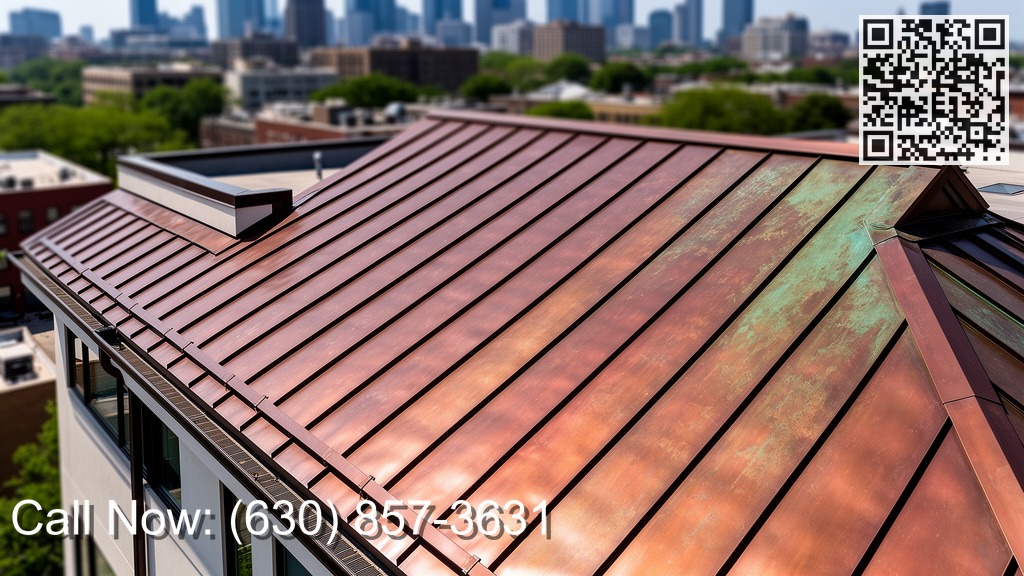
This does not imply all artificial items do equally. Costs synthetic roof tends to have tighter production resistances and much better long-lasting stability than deal products. In the field, those details matter. A roof covering ceramic tile with irregular density, weak securing edges, or bad UV security may not mature with dignity, also if it looks good at installment. That is why material choice and installer experience matter equally as much as the classification itself.
Flexibility in the chilly aids prevent cracking
One of the stress with older or more brittle roof materials is how they act throughout the initial truly cold stretch of the season. Something as little as a branch tapping the roofing system, an employee stepping in the wrong area, or a portion of sliding ice can create cracking if the material has lost adaptability. As soon as a split starts, water follows.
Architectural synthetic roof covering is commonly better at preserving effect resistance and flexibility in reduced temperatures. That matters in Chicago and bordering suburban areas where a winter roof might see snow cover, sleet, wind-driven debris, and temperature whiplash in the same week. A material that can bend a little under stress rather than snapping has a better opportunity of surviving intact.
I have seen home owners assume that hefty methods resilient and light-weight ways fragile. On roofing systems, that is not always true. Some artificial roofing systems are far lighter than slate or concrete ceramic tile, yet they deal with freeze-thaw tension better due to the fact that they move with the building instead of standing up to every little shift. Roof covering decks broaden and contract. Framing steps a little with humidity and temperature. Fasteners respond to thermal cycling. A roof covering that endures that activity without breaking has a real advantage.
The profile of the roof covering affects wintertime efficiency too
Architectural synthetic roof covering is not just a material choice. It is likewise an account and system option. Several products are made with deeper darkness lines, interlocks, and water-shedding paths that aid move melting snow and rainfall off the roof covering a lot more efficiently. That boosted drainage can reduce the quantity of standing water that lingers at overlaps or prone transitions.
On a steep-slope roofing, this matters a good deal. Snow does not simply go away when temperatures increase. It thaws erratically, usually beginning higher up on sun-warmed inclines while reduced areas continue to be frozen. If a roof profile networks that sprinkle easily toward the eaves, the roofing invests less time with moisture floating at seams. If the item also has safe and secure side laps and appropriately designed head laps, the opportunity of wind-driven meltwater backing right into the setting up drops.
A good artificial roofing contractor will take note not just to the noticeable tile or tile, but to how the entire assembly acts under wintertime conditions. That consists of underlayment selection, ice-and-water membrane positioning, air flow strategy, flashing assimilation, ridge details, and attaching approaches. The product can be outstanding, however if the roofing system is improperly developed, freeze-thaw damage will still locate a means in.
Ice dams are a different issue, yet synthetic roof still helps
It is essential to be exact right here. No roof product removes ice dams by itself. Ice dams are usually driven by warmth loss from the house, attic room air leakage, inadequate insulation, and irregular roofing system temperature levels. Also the most effective synthetic roofing installment can not make up for an inadequately carrying out structure envelope.
That said, synthetic roof can still play a useful duty. Because many artificial items have steady dimensions, safe and secure interlocks, and less fragile revealed edges, they commonly hold up much better when ice types and meltwater backs up momentarily. If water is compelled uphill by an ice dam, the roof covering still relies on underlayment and blinking as the key defense, but the field material is less likely to break or divide while under stress.
In practical terms, that can indicate a roofing system that comes through repeated winters months with fewer repairs. Property owners might still require attic room renovations to resolve the origin of ice damming, but the roofing system covering itself is much less most likely to suffer advancing damages along the way.
Why this issues for Midwest luxury homes and personalized architecture
Synthetic roofing for deluxe homes has ended up being increasingly prominent in the Midwest for a simple reason: house owners desire the appearance of slate or cedar without acquiring every upkeep concern that can come with those products in a tough environment. Big customized homes often have intricate rooflines, several valleys, dormers, turret details, and lengthy eave runs. Those attributes create beauty, yet they likewise produce much more areas where snow, ice, and meltwater can gather.
A facility roofing enhances the repercussions of freeze-thaw stress and anxiety. A lot more shifts indicate more flashing. Extra roofing system planes mean more snow drift patterns. Even more valleys imply even more concentrated water flow throughout a thaw. On that particular type of home, a durable roofing system is not a high-end in the superficial sense of the word. It is risk management.
This is where building synthetic roof covering commonly beams. It provides designers the dimensional look they desire while decreasing dead load compared to natural slate or concrete. That reduced weight can be especially valuable in renovation projects where structural upgrades would or else be needed. It also often tends to streamline handling and positioning during installation, which can enhance uniformity on elaborate roof geometries.
In upscale suburbs where home owners care about resale value and long-term appearance, premium synthetic roofing also has a useful visual advantage. It has a tendency to weather more consistently than all-natural timber and prevents some of the arbitrary breakage patterns seen with weak products. A roofing that still looks made up after numerous extreme winters contributes to the general impact of the house.
Installation quality is what turns product efficiency into real-world performance
This is the factor lots of articles avoid, but it is the one specialists deal with every season. A high-performance roof covering item can fail early if it is mounted carelessly. Freeze-thaw resistance relies on information. Bolts need to be placed correctly. Flashings need proper overlap and secure combination. Air flow can not be guessed at. Penetrations must be blinked in a manner that anticipates snow, ice, and wind, not simply summer rain.
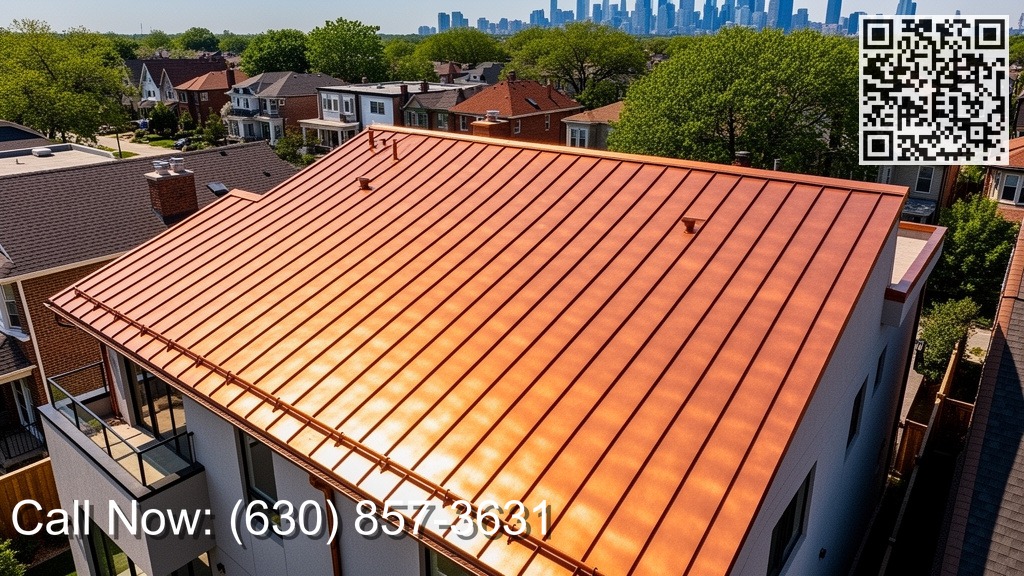
When house owners search for a synthetic roof covering company, they usually compare brands first. That makes good sense, however the installer is worthy of equal analysis. A synthetic roofing contractor who comprehends Midwest climate conditions will certainly approach the project in different ways from a crew that mostly sets up basic asphalt in milder areas. The best artificial roofing installers think of where wandering happens, exactly how valleys will certainly deal with ice, where warmth loss might develop persistent thaw factors, and exactly how regional code needs converge with producer specifications.
For house owners seeking synthetic roof covering Chicago solutions or a synthetic roofing contractor Chicagoland property owners can rely on, local wintertime experience matters. The same is true if you are looking for artificial roofing Naperville IL professionals. Freeze-thaw damage is not theoretical right here. It turns up in service phone https://archerwgyn432.rivertonbrief.com/posts/the-worth-of-artificial-roof-covering-for-high-end-houses-in-cold-and-hot-seasons calls, evaluations, and insurance claims every year. A specialist who has actually seen what stops working in February will certainly make smarter selections in July.
Common weak points where artificial systems usually stand up better
Most winter roofing system failures do not occur in the middle of an open field of roofing. They appear at shifts and tension points. Artificial roofing systems usually execute well due to the fact that their accessories and area pieces are developed as a worked with setting up, which helps reduce those vulnerabilities.
The areas that are worthy of the most attention are these:
- Valleys, where snow and water concentrate during thaws.
- Eaves, where meltwater can refreeze and develop support pressure.
- Roof penetrations, especially plumbing vents, chimneys, and skylights.
- Ridges and hips, where wind exposure and thermal movement are high.
- Sidewalls and headwalls, where blinking information make or damage performance.
The point is not that synthetic materials make these locations fail-safe. The point is that a well-designed synthetic roof installment often gives the contractor much better tools to defend them. Matching accessories, foreseeable measurements, lighter managing weight, and resistant area products all contribute to cleaner execution.
Repairability and long-lasting ownership
One silent benefit of residential synthetic roofing is how it fits actual ownership patterns. Midwest house owners do not simply need a roof covering that makes it through one wintertime. They need one that continues to be functional over twenty or thirty years of storms, tree particles, attic upgrades, air vent substitutes, and occasional professional foot traffic.
Some all-natural materials come to be harder to repair easily as they age. Matching can be hard. Frailty increases. Salvage work around one damaged area may break surrounding pieces. Synthetic products differ, but lots of offer an even more forgiving service experience. Private pieces can typically be changed without the very same danger of security damage, assuming the line of product is still offered and the roofing was set up with accessibility and upkeep in mind.
That issues for lasting budgeting. A home owner taking into consideration artificial roofing system substitute may at first focus on ahead of time price, and fair sufficient, premium products are not bargain roof. Yet the possession equation should include likely upkeep, repair frequency, and the price of winter-related failures. When a roofing system prevents duplicated patchwork after tough freeze-thaw seasons, the value image changes.
What house owners need to ask before selecting a product
The conversation must go beyond appearances. A beautiful account that copies hand-split cedar or quarried slate is appealing, however Midwest customers must press for functional responses. Ask just how the item manages impact, temperature level variant, and moisture. Ask what underlayment plan the installer advises for your roof geometry. Ask how the system executes at eaves and valleys. Ask whether the staff has actually set up that certain item with at least a couple of local winters.
These inquiries are worth covering with any type of artificial roofing contractor:
- How does this item carry out in duplicated freeze-thaw conditions?
- What ice-and-water security will be utilized, and where?
- How will attic room ventilation and insulation impact roofing system performance?
- What information will certainly be made use of at valleys, smokeshafts, and skylights?
- How usually does your company solution or evaluate this kind of roof after installation?
An experienced specialist will respond to directly and with context. They will certainly not make believe any type of roofing system is unyielding. They will certainly clarify where the material stands out, where supporting details matter most, and what maintenance still makes good sense over time.
The trade-offs property owners should understand
Architectural synthetic roofing is not the appropriate option for every task. Price is one compromise. Costs artificial roof covering generally sits over standard asphalt in rate, in some cases by a substantial margin depending on account, complexity, and area. Property owners preparing to move soon may make a decision the long-term toughness premium is not worth it for their timeline.
There is likewise item variant in the market. "Synthetic" is not a warranty of high quality anymore than "wood" or "slate" is. Some lower-end products may fade erratically, warp, or really feel much less encouraging up close. That is why it is smart to watch full-size set up examples and ask to see neighborhood jobs that have actually been through several winters.
Style fit matters too. On some homes, particularly moderate homes with basic lines, a top-level synthetic slate may watch out of scale. Great roof options have to do with proportion as much as performance. A thoughtful artificial roof covering business will lead property owners towards accounts that suit both the design and the climate.
Why the Midwest has become a confirming ground for artificial roofing
If a roof can carry out well through a string of Midwestern winters, that informs you a great deal. The region combines hefty snow, wind, sunlight direct exposure, freeze-thaw biking, hailstorm, and abrupt seasonal shifts. It is not enough for a roof to look excellent on a showroom board. It needs to survive the truth of January thawing on a south slope, February refreezing at the eaves, and March slush working its means toward every seam.
That truth is one factor artificial roofing systems have obtained traction among engineers, building contractors, and experienced house owners in position like Chicago and Naperville. The material classification addresses a really specific collection of issues without demanding the architectural weight or maintenance problem of some conventional premium products. For homes with complicated style, high substitute price direct exposure, or proprietors who plan to stay put, that is a compelling combination.
Architectural artificial roof covering withstands freeze-thaw damage not since it rips off winter season, but due to the fact that it is constructed for winter months's practices. It sheds water successfully, soaks up less dampness, remains extra durable in the cold, and integrates right into roofing systems designed to safeguard vulnerable details. In the Midwest, where seasons examination every weak point sooner or later, those traits are not marketing language. They are the difference between a roofing that ages steadily and one that begins calling for repair services after every tough winter.
When Quality Matters
Salvo Architectural Roofing Contractors
566 West 5th Ave Naperville, IL 60563
(630) 857-3631
 Ask ChatGPT
 Ask Grok
 Ask Perplexity
 Ask Claude
 Ask Google AI
 Ask You